
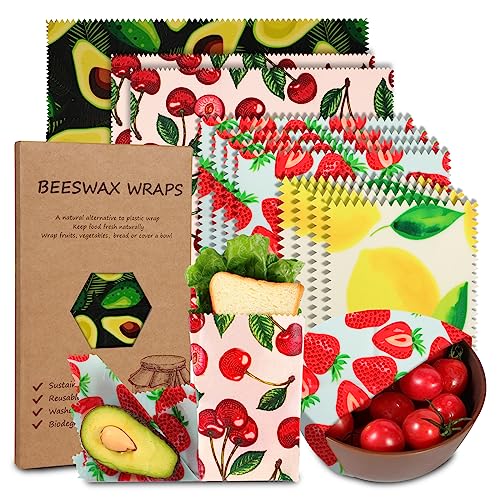
Cute fruit prints, solid seals and real plastic-free wins—just don’t microwave or wrap raw meat.
You pull another sheet of plastic wrap from the drawer and promise yourself you’ll stop—right after you finish dinner. If you’re tired of cling film that tears, sticks, and ends up in the trash, this colorful 11-pack of reusable beeswax wraps might be the small, eco-friendly nudge your kitchen needs.
Made from organic cotton, beeswax, jojoba oil and tree resin, the set (for about $12.99) includes sizes for everything from lemons to a liter container and molds to glass or bowls with the warmth of your hands. It’s a great starter kit: attractive prints, solid sealing for everyday leftovers and produce, and a real way to cut single-use plastic—just don’t use them for raw meat, microwaves, or long-term freezer storage, and expect to recondition them occasionally to keep the stickiness going.
11-Pack Reusable Beeswax Wraps for Food Storage

This pack is an excellent starter kit for anyone moving away from single-use plastics — it covers nearly every small-to-medium food storage need with attractive designs. Expect solid sealing performance for leftovers and produce, though occasional reconditioning will maximize long-term stickiness.
Bee’s Wrap Reusable Beeswax Food Wraps Review — Honest, concise verdict
Overview
If you’re trying to reduce single-use plastic without surrendering convenience, this 11-pack of reusable beeswax wraps offers a practical, colorful alternative. The wraps are made of organic cotton infused with beeswax, jojoba oil, and a natural resin blend — a classic beeswax-wrap recipe that balances tack and flexibility for everyday kitchen use. The set includes a thoughtful mix of sizes for covering bowls, wrapping snacks, and keeping bread fresh.

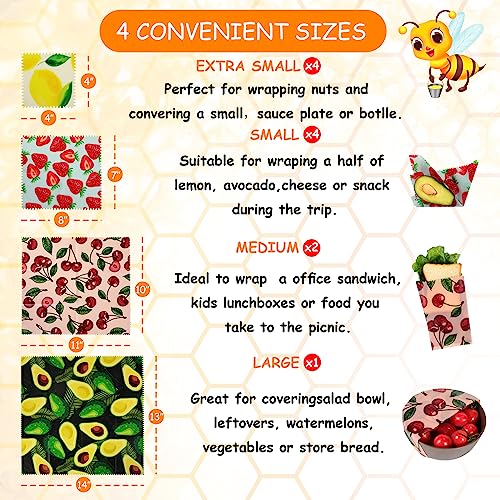
What’s in the pack
Materials & why they matter
These wraps blend a few natural ingredients commonly used in premium beeswax wraps:
Why that combination matters:
Practical uses and smart swaps
Sizes table — what fits best
| Size | Approx. use | Typical examples |
|---|---|---|
| 4XS | Small items | Single snack, half citrus, small sandwich |
| 4S | Everyday small | Sandwiches, small bowls, cut fruit |
| 2M | Medium containers | Larger fruit halves, medium bowls |
| 1L | Largest wrap | Dinner bowls, loaf halves, cheese blocks |
How to use (easy and almost fun)
- Warm a wrap with your hands for a few seconds to make it pliable.
- Drape it over the item or container and press edges together to form the seal.
- Store wrapped item in the fridge or on the counter depending on the food.
Care, cleaning, and extending lifespan
Quick tips to refresh and revive
What to avoid


Design & patterns
The fruit-themed prints (avocado, cherry, strawberry, lemon) add a playful touch to food storage and look better on the counter than clear plastic. The patterns make it easy to allocate a wrap for specific tasks (for example: lemon patterns for citrus, strawberry for bread) which helps keep your wrap workflow organized.
Sustainability impact — small swaps add up
Switching even a few single-use plastic wraps to reusable beeswax wraps can reduce household plastic waste significantly. Because these wraps are compostable at the end of their life and made from renewable ingredients, they fit well into a low-waste lifestyle. They’re lightweight, recyclable in the compost, and eliminate dozens — if not hundreds — of pieces of cling film over their usable lifetime.
Prospective buyer notes
Pros & cons (brief)

Final thoughts
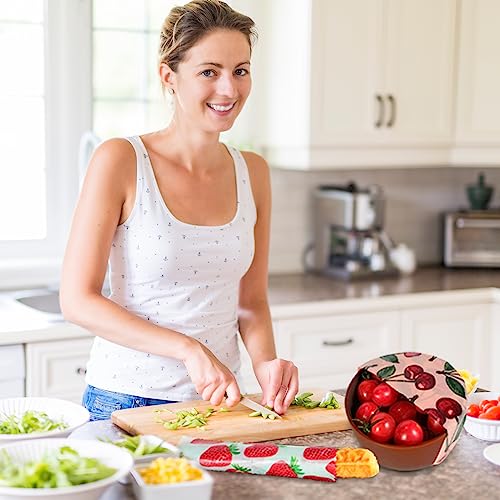
This 11-pack is a solid all-around kit for anyone building a greener kitchen routine. The material mix is classic and reliable, the size assortment thoughtful, and the cheerful designs make saying goodbye to plastic a little more delightful. With sensible care, these wraps will last through many small kitchen adventures and help reduce single-use waste one sandwich at a time.
FAQs
No — beeswax melts at relatively low temperatures. Allow hot dishes to cool to warm or room temperature before using a wrap to avoid melting the wax and damaging the wrap.
Regular hand washing in cool water with mild soap keeps wax in place. If stickiness fades, you can refresh the wrap by briefly warming it to reactivate the wax or by applying a thin beeswax/jojoba recoat following safe instructions.
Yes — wraps are great for cheese and produce because they shield food from direct contact with fridge air while still allowing a little breathability, which helps prevent sogginess. Always wash hands and reuse wraps only after cleaning.
Yes — because they’re made of organic cotton and natural waxes/resins, they can be composted at the end of their usable life. Remove any large non-compostable bits if present, then add to your home compost or local facility.
It’s better to avoid using beeswax wraps for raw meat because of cross-contamination concerns. For cooked meat, you can use them for short-term storage if the food is cooled and wraps are cleaned thoroughly afterward; however, plastic or airtight containers are still recommended for longer storage.
Store them flat or loosely folded in a drawer or container away from heat and direct sunlight. Keeping them in a cool, dry place prevents the wax from softening and sticking together.



Minor rant: packaging was a bit excessive for an eco product. Came in a plastic sleeve inside a box. Couldn’t they skip the plastic? 🤨